Reviewing the Rose Floral Watercolor Seamless Pattern
First Impressions: A Soft, Artistic Touch
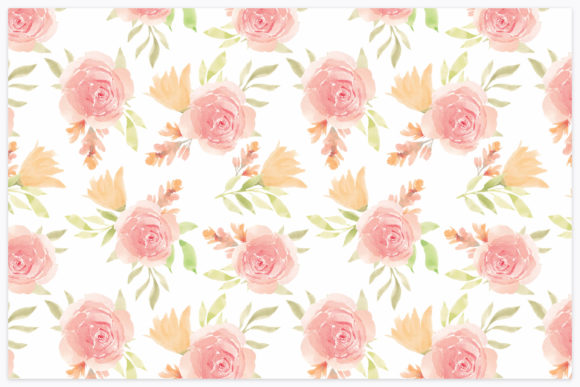
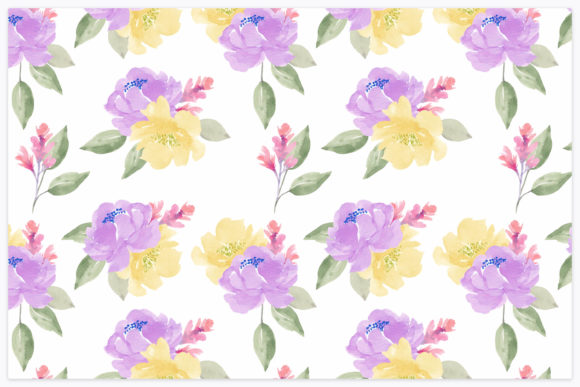
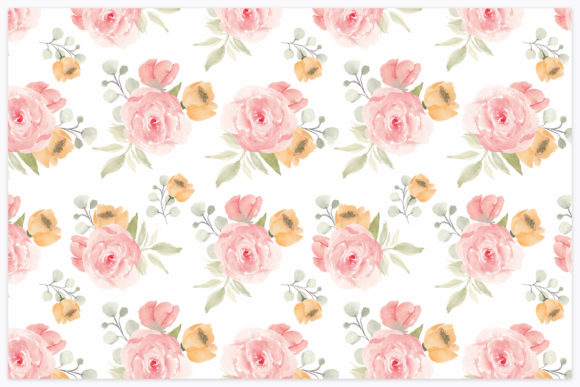
The first thing that strikes me about the Rose Floral Watercolor Seamless Pattern is its soft, painterly quality. It’s not your typical crisp embroidery design — instead, it feels like a brushstroke of color that’s been gently layered with floral detail. The watercolor aesthetic gives it a dreamy, artistic mood that would work beautifully for handmade products aimed at a modern, feminine audience. It’s not overly ornate, but it carries enough visual interest to stand out on a tote bag, a baby onesie, or even a boutique sweatshirt.
Design Layout: Flowing and Balanced
From a layout perspective, this pattern is clearly designed to repeat seamlessly, which makes it incredibly versatile for larger embroidery projects. The roses are spaced just right — not too tight, not too sparse — allowing for flexibility in scaling and placement. The soft edges and blurred transitions between colors suggest that it’s best suited for designs where a gentle, organic flow is desired, rather than sharp, defined lines.
Real-World Use: Tote Bag Test Case
I recently tested the Rose Floral Watercolor Seamless Pattern on a custom tote bag project for a small shop client. The goal was to create a line of personalized market bags with a subtle floral accent along the hem. I used a medium-weight cotton canvas and a standard cutaway stabilizer. The pattern stitched out beautifully, with smooth satin and fill stitches that maintained the watercolor illusion even after embroidery.
One of the standout features was how well the design adapted to the texture of the fabric. The watercolor shading gave it depth, and the seamless repeat made it easy to line up along the curved hem of the tote without visible breaks. Customers responded positively to the softness of the design, calling it “elegant but not fussy” — exactly the kind of feedback you want when balancing aesthetics with practicality.
Performance Across Embroidery Projects
This design works especially well for personalized gifts and small shop products like embroidered tea towels, nursery pillows, and custom sweatshirts. On baby clothes, the softness of the design complements the delicate nature of infant apparel. For holiday items like embroidered kitchen linens or embroidered patches for boutique gift sets, the pattern adds a touch of seasonal charm without feeling too literal or theme-heavy.
When used on applique designs, the pattern’s fluid lines can be enhanced by layering with contrasting fabric textures. I’ve seen Etsy sellers use this pattern as a background for embroidered names or monograms, which elevates the perceived value of their finished products.
Where to Use with Care
While the Rose Floral Watercolor Seamless Pattern is versatile, it does require thoughtful application. On dark fabrics, the lighter watercolor tones can get lost unless you test with thread color contrast or use underlay stitches to enhance visibility. On stretchy or textured materials like sweatshirt fleece or knits, the softer lines may blur slightly during stitching, so using a firm stabilizer and testing on scrap fabric is crucial.
I wouldn’t recommend this design for small hoop sizes or intricate corners — the watercolor effect relies on subtle gradations that can easily become muddied when scaled down. Similarly, on curved surfaces like baseball caps or tight corners of embroidered patches, some of the softness may get distorted, so it’s best to preview the layout digitally or with a test hoop before committing.
Visual Impact and Professional Appeal
One of the most underrated aspects of this design is how it enhances the visual appeal of finished products. Whether it’s on a printable mockup or a physical item, the watercolor style adds a layer of sophistication that handmade sellers often struggle to achieve with standard embroidery files. It also helps build customer trust — there’s a perception that a design with artistic depth is more premium, even if it’s not overly complex.
For brand consistency, this pattern can be used across multiple product lines — from digital mockups to physical embroidered items — without losing its identity. It’s especially useful for small businesses that want to maintain a cohesive look across Etsy listings, craft fair displays, and social media content.
Practical Notes for Embroidery Designers
- Test on scrap fabric before stitching on your final product, especially if using stretchy or textured materials.
- Check thread color contrast — the watercolor effect may require subtle thread changes to maintain visual depth.
- Review stitch density to ensure the pattern doesn’t become too heavy on soft fabrics.
- Confirm hoop size and design scaling — avoid using on very small hoops to preserve the watercolor effect.
- Inspect small details like edges and transitions to ensure clarity after stitching.
- Test in black and white mockups to see how the design translates without color cues.
- Compare light and dark backgrounds to evaluate visibility and contrast.
- Use proper stabilizer — especially for stretchy or loosely woven fabrics.
- Check licensing before selling items with this design — make sure it’s approved for both personal and commercial projects.
Final Thoughts: A Versatile Addition to Your Design Kit
The Rose Floral Watercolor Seamless Pattern is more than just a pretty design — it’s a functional, adaptable asset that can elevate your embroidery projects with minimal effort. Whether you’re creating a custom embroidered patch, designing holiday embroidery for a small shop, or crafting personalized gifts for clients, this pattern offers a soft, artistic edge that sets your work apart.
For creative entrepreneurs and craft business owners, this is the kind of digital embroidery file that can help you stand out in a crowded market. Just be mindful of fabric choices, test thoroughly, and let the design’s natural flow guide your creative direction.