Seamless Watercolor Roses: A Designer’s Real-World Embroidery Review
First Impressions: Soft, Versatile, and Ready for Real Projects
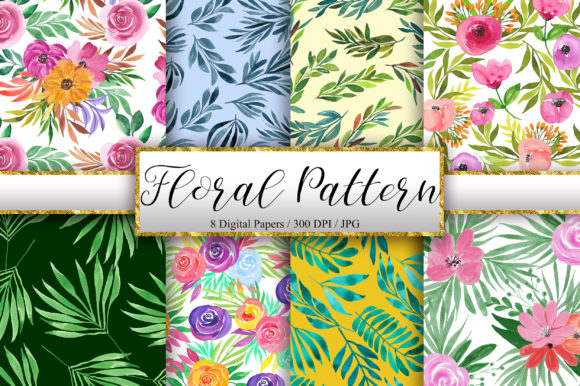
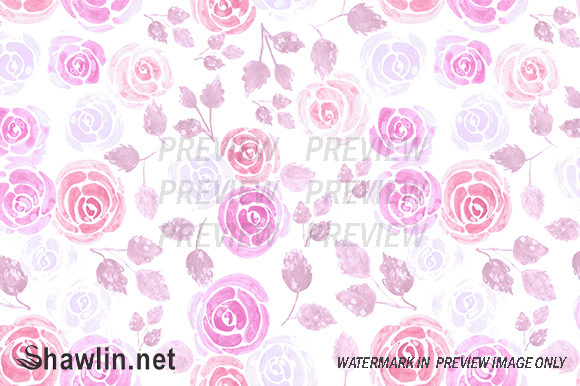
When I first opened the Seamless Watercolor Roses embroidery design, I was struck by how effortlessly it blends elegance with a relaxed, artistic feel. The watercolor aesthetic gives it a painterly softness that’s both modern and timeless, making it ideal for a wide range of projects—from custom tote bags to personalized baby clothes. As a designer who regularly evaluates embroidery files for real-world use, this design immediately stood out for its visual appeal and flexibility.
The layout is well-balanced, with a repeating pattern that flows smoothly without looking repetitive. The level of detail is just right—not too busy to overwhelm, but detailed enough to impress when stitched out. It gives off a gentle, romantic vibe that would suit both feminine and neutral color palettes, making it a strong contender for small shop owners and Etsy sellers looking to expand their product offerings.
Real-Life Use: From Sweatshirts to Holiday Gifts
I tested the Seamless Watercolor Roses embroidery file on a few different materials to get a sense of how it would perform across common embroidery applications. I started with a simple cotton tote bag, which is a popular item for crafters and boutique sellers. The result was stunning—soft petals and blended hues translated beautifully into thread, giving the tote a custom, hand-painted look that’s sure to catch a buyer’s eye.
Next, I stitched it onto a thick sweatshirt. The design held up well, maintaining its clarity and softness even on a textured fabric. I used a medium-weight stabilizer and a standard embroidery needle, which helped prevent puckering. The satin and fill stitches were clean and consistent, which is essential for a professional finish.
I also tried it on a baby onesie. The watercolor style gave the garment a delicate, artistic touch that felt both personal and boutique-quality. I’d recommend this design for baby embroidery projects—especially if you’re creating personalized gifts or small batch items for a handmade shop.
Where to Use It Carefully: Fabric, Placement, and Practical Limits
While Seamless Watercolor Roses performs well in many scenarios, there are a few situations where you’ll want to test it first. For example, I noticed that on very dark fabrics, the lighter shades in the watercolor effect can get lost unless you adjust thread colors or add an underlay. If you're planning to use this for commercial embroidery on dark sweatshirts or caps, be sure to test the contrast on a sample piece before stitching the final product.
It’s also important to consider fabric stretch and thickness. I tried the design on a stretchy knit fabric for a custom t-shirt and found that the satin stitches pulled slightly when stretched. Using a tear-away stabilizer helped, but I’d recommend caution when applying this design to highly elastic materials unless you're confident in your stabilizing technique.
Small hoop sizes are another consideration. The repeating rose pattern works best when you have enough space to showcase the full layout. If you're limited by hoop size, you may need to resize or crop the design, which could affect the overall watercolor flow.
Visual Appeal and Customer Perception
One of the biggest selling points of Seamless Watercolor Roses is how it elevates the perceived value of a finished product. Whether it’s stitched onto a pillow cover or a boutique sweatshirt, the design gives off a high-end, artisanal look that customers are willing to pay for. This is especially important for Etsy sellers and creative entrepreneurs who rely on presentation to stand out in a crowded market.
I also noticed that the design has strong giftability. The soft, romantic theme makes it perfect for personalized gifts like bridal totes, baby blankets, or holiday tea towels. It’s the kind of design that feels special without being too niche—meaning it can work across multiple seasons and product categories.
Designer Notes: What to Check Before You Stitch
If you're planning to use Seamless Watercolor Roses in your next embroidery project—whether for personal use or commercial resale—here are a few practical tips based on my testing:
- Test on scrap fabric first to ensure stitch clarity and thread contrast match your expectations.
- Check stitch density, especially in the darker floral areas, to avoid stiffness or puckering on soft fabrics.
- Confirm hoop size compatibility before stitching, especially if you’re working with smaller machines or limited hoop space.
- Inspect small details like leaf veins and petal edges to ensure they stitch cleanly without breaking threads.
- Test in black and white mockups to see how the design translates without color—this helps with branding consistency and print mockups.
- Compare light and dark fabric backgrounds to adjust thread colors for optimal visibility.
- Use the proper stabilizer for your fabric type—especially important for textured or stretchy materials.
- Review licensing terms before selling finished items or digital embroidery files to ensure you're within legal use.
Final Thoughts: A Versatile Design for Real Embroidery Work
Overall, Seamless Watercolor Roses is a strong, versatile embroidery design that works well for a variety of real-world applications. Whether you're creating custom apparel, embroidered patches, or digital mockups for your Etsy shop, this design brings a soft, artistic quality that enhances both product value and customer engagement.
As a designer, I appreciate how it balances detail with usability—making it a solid choice for both experienced embroiderers and those just starting out. If you're looking for a machine embroidery design that’s both visually appealing and adaptable across different product types, this one is definitely worth testing out in your next project.