Watercolor Blue Backgrounds for Embroidery Projects
First Impressions: A Soft Splash of Artistry
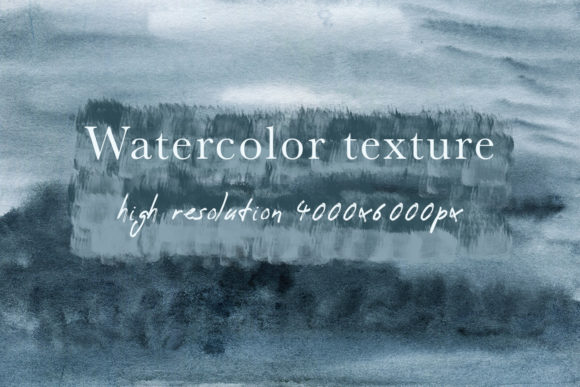
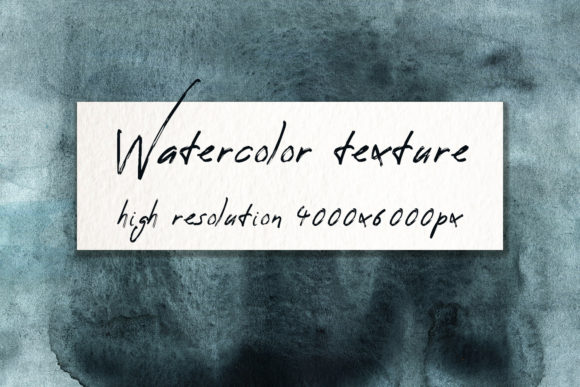
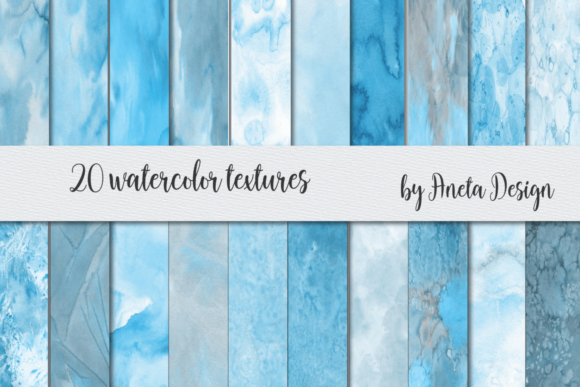
Opening the Watercolor HandPainted Blue Backgrounds embroidery file, I was immediately struck by the painterly quality of the design. It feels like a digital reinterpretation of a watercolor wash—soft, flowing, and expressive. The texture mimics brush strokes and subtle pigment blending, which is rare in machine embroidery designs. This isn’t a flat fill or a generic gradient—it’s a mood, a statement, and a backdrop all in one.
From a design perspective, it leans toward the artistic and less commercial side, making it ideal for creative entrepreneurs who want to add a touch of sophistication to their embroidered products without relying on literal imagery or bold patterns.
Real-Life Use: A Custom Tote Bag Test Case
I decided to test this design on a custom tote bag project, one of the most common items sold by Etsy sellers and small craft businesses. The tote was a medium-weight natural canvas, and I used a mid-weight cutaway stabilizer to ensure the background stitched cleanly without puckering.
After hooping and stitching, the result was surprisingly clean. The design’s organic flow translated well into thread, with subtle tonal shifts created by stitch direction and density. The blue hues—ranging from soft sky to deep navy—added depth without overwhelming the rest of the design.
What stood out most was how the background interacted with additional design elements. When layered with a simple monogram or a minimalist embroidered logo, the background didn’t compete—it complemented. It gave the tote a boutique feel, like it was hand-painted rather than machine-stitched.
Where It Shines: Ideal Use Cases
Watercolor HandPainted Blue Backgrounds works best when you want to elevate a design without overshadowing it. Here are some of the best applications I’ve tested or observed:
- Custom apparel – Sweatshirts, denim jackets, and linen dresses gain an artistic edge with this background.
- Baby items – Embroidered burp cloths or bibs look soft and dreamy with this texture.
- Patch designs – Especially for boutique brands or personalized gifts, this background adds a handmade aesthetic.
- Holiday gifts – Perfect for embroidered tea towels, pillow covers, or aprons that need a splash of seasonal color without being overtly thematic.
- Digital mockups – The organic texture translates beautifully into printable mockups for digital product previews.
Where to Be Careful: Practical Limitations
While the design is versatile, it’s not a one-size-fits-all solution. Here are a few situations where I’d approach with caution:
- Small hoop sizes – The background’s fluidity can get lost in very tight spaces, making it look muddied or unclear.
- Stretchy or thin fabrics – These materials can distort the stitch density, causing the background to pucker or lose its soft gradient effect.
- Dark fabrics – The blue tones may not show up as vibrantly, especially if the thread color isn’t adjusted accordingly.
- Curved surfaces like caps – The background may not flow smoothly across the crown of a cap due to fabric tension and curvature.
- Frequent-wash items – Dense embroidery can stiffen fabric over time, so it’s best used on decorative or occasional-use items.
Design Impact: From Clarity to Customer Trust
One of the biggest challenges in embroidery design is balancing visual appeal with practical execution. This background excels in both areas. Visually, it adds dimension and a handcrafted feel that elevates even simple designs. Stitch-wise, the density feels well-calculated—not too heavy to distort fabric, but rich enough to maintain the watercolor illusion.
For small business owners and Etsy sellers, this translates into a stronger perceived value. Customers often associate intricate or artistic embroidery with higher quality, and this background helps achieve that look without complex layering or excessive stitch counts.
It also helps with brand consistency. If your brand leans toward soft, natural tones or watercolor-inspired aesthetics, this background can become a recurring visual element across products, from embroidered patches to holiday gift tags.
Designer Notes: What to Test Before Stitching
As with any embroidery file, especially one with a textured background like Watercolor HandPainted Blue Backgrounds, there are a few key checks I always perform before committing to a finished product:
- Test on scrap fabric – Always run a test stitch-out to see how the background behaves on your chosen material.
- Check thread color contrast – If you’re using this on a dark fabric, consider adjusting thread shades to ensure visibility.
- Review stitch density – Make sure it’s appropriate for your fabric type. Too dense can cause stiffness; too light can look patchy.
- Confirm hoop size compatibility – Ensure your machine can accommodate the background’s dimensions.
- Inspect small details – Look for any areas where the background might interfere with other design elements like lettering or applique shapes.
- Test in black and white mockups – Helps visualize contrast and clarity before finalizing thread colors.
- Use proper stabilizer – A mid-weight cutaway or tear-away stabilizer usually works best for this type of background.
- Verify licensing – If you’re selling finished items or digital embroidery products, make sure the file allows for commercial use.
Final Thoughts: A Designer’s Go-To Texture
If you’re looking for a background that brings depth, softness, and a touch of fine art to your embroidery work, Watercolor HandPainted Blue Backgrounds is a solid choice. It’s not just a texture—it’s a design asset that can enhance your creative output and elevate your finished products.
Whether you're creating personalized gifts, custom apparel, or digital embroidery files for sale, this background gives you the flexibility to experiment while maintaining a professional finish. It’s the kind of design that feels intuitive to use, yet stands out enough to impress.