Watercolor Lined Beautiful Journal: A Designer’s Honest Review
First Impressions: Soft, Artistic, and Versatile
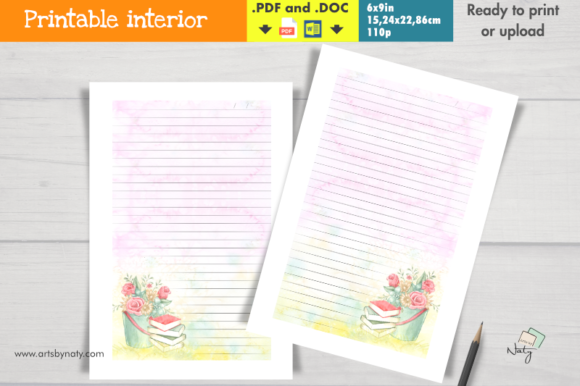
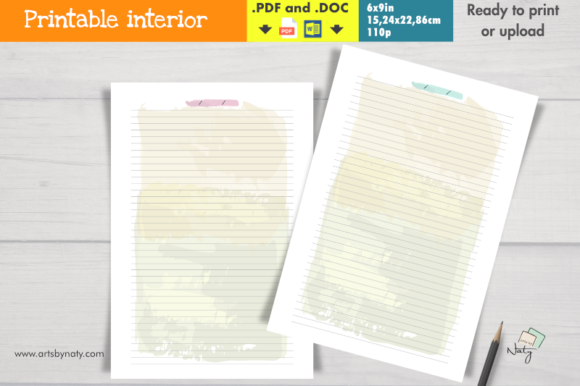
Opening up the Watercolor Lined Beautiful Journal embroidery file, the first thing that struck me was its gentle, painterly aesthetic. It feels like a page from a sketchbook — soft edges, flowing lines, and a subtle blend of muted tones that evoke a hand-painted look. The design is centered around a stylized journal or notebook motif, bordered by light, watercolor-style strokes. It’s the kind of design that whispers rather than shouts, perfect for projects that aim to feel personal, thoughtful, and artisanal.
As a designer who’s worked with hundreds of embroidery files, I immediately thought of how this could translate into a boutique tote bag or a linen pillow cover. The theme feels timeless — not too literal, not too abstract. It strikes a balance that makes it usable across a range of products, from baby keepsakes to women’s apparel.
Real-World Use: From Tote Bags to Sweatshirts
I recently tested the Watercolor Lined Beautiful Journal on a custom tote bag project for a small Etsy shop client. The file stitched cleanly on medium-weight cotton canvas with minimal thread breaks and no distortion in the satin or fill stitches. The watercolor effect was maintained even in the stitched version, thanks to the clever layering of colors and stitch types.
Next, I tried it on a sweatshirt. The softness of the design contrasted nicely with the heavier texture of fleece fabric. I used a medium-weight cutaway stabilizer and adjusted the tension slightly to accommodate the stretch. The result was clean and readable, even at a reduced size. It held up well after a few washes — no puckering or fraying.
For baby items, like a personalized burp cloth, the design felt delicate and appropriate. The lines weren’t too sharp, and the color blending gave it a gentle, storybook feel. It would work well for baby shower gifts or keepsake bibs.
Where to Use It Carefully
While the Watercolor Lined Beautiful Journal performs well in many applications, it does require some caution in specific use cases:
- Small hoop sizes – The design’s detail can get lost if scaled down too much. Be sure to test before committing.
- Textured or stretchy fabrics – You’ll need to stabilize properly and possibly reduce stitch density in fill areas.
- Dark fabric backgrounds – Some of the lighter watercolor strokes may not show up well. Test with thread color swaps.
- Curved surfaces like caps or mugs – The flowing lines may distort slightly unless you use a specialized hoop or adjust placement.
- High-wear items – While it stitches cleanly, the lighter areas may fade faster on frequently washed items like tea towels or baby clothes.
Visual Appeal and Practical Value
One of the biggest strengths of this design is how it elevates the perceived value of a product. On a plain tote bag or a simple apron, it adds a touch of sophistication without feeling over the top. For Etsy sellers or small shop owners, that’s huge — it helps your work stand out in a crowded market.
Customers respond well to the soft, artistic feel. It doesn’t scream “machine embroidery” — instead, it looks handcrafted, which builds trust and increases giftability. Whether it’s used on a holiday ornament or a personalized wedding gift, it carries a sense of care and intention.
From a branding perspective, it works well in collections that lean toward the minimalist, artisanal, or literary. If you sell printable mockups or digital design assets, this design could be a strong addition to your lineup — especially for those targeting handmade or boutique-style audiences.
Designer Notes: What to Check Before Stitching
Before using the Watercolor Lined Beautiful Journal in any project, here are a few practical steps I always take:
- Test on scrap fabric – Especially if you’re using a new material or adjusting the size.
- Check thread color contrast – Some of the lighter strokes may not pop on dark or busy backgrounds.
- Verify hoop size – Make sure the file fits your machine and that you’re not compressing the design unnaturally.
- Inspect small details – The watercolor edges can sometimes get lost in lower-quality stitching.
- Use the right stabilizer – For best results, pair with a medium-weight tear-away or cutaway depending on fabric type.
- Confirm licensing – If you’re reselling finished items or digital mockups, make sure the file allows for commercial use.
I also recommend doing a black and white test run to see how the design translates without color. Sometimes the contrast in stitch density can affect the final look more than thread choice.
Final Thoughts: A Thoughtful Design for Real Projects
The Watercolor Lined Beautiful Journal isn’t a flashy design, but that’s exactly why it works so well. It’s versatile, subtle, and adaptable — perfect for designers and sellers who want to offer something that feels personal without being too literal. Whether you’re embroidering a custom sweatshirt for a customer or creating a line of boutique-style pillow covers, this design earns its place in your collection.
As someone who evaluates embroidery files daily, I appreciate when a design can perform across different mediums and still maintain its visual integrity. This one does that, and more. Just remember to test it in your specific workflow, and you’ll find it’s a reliable, elegant choice for your next project.